
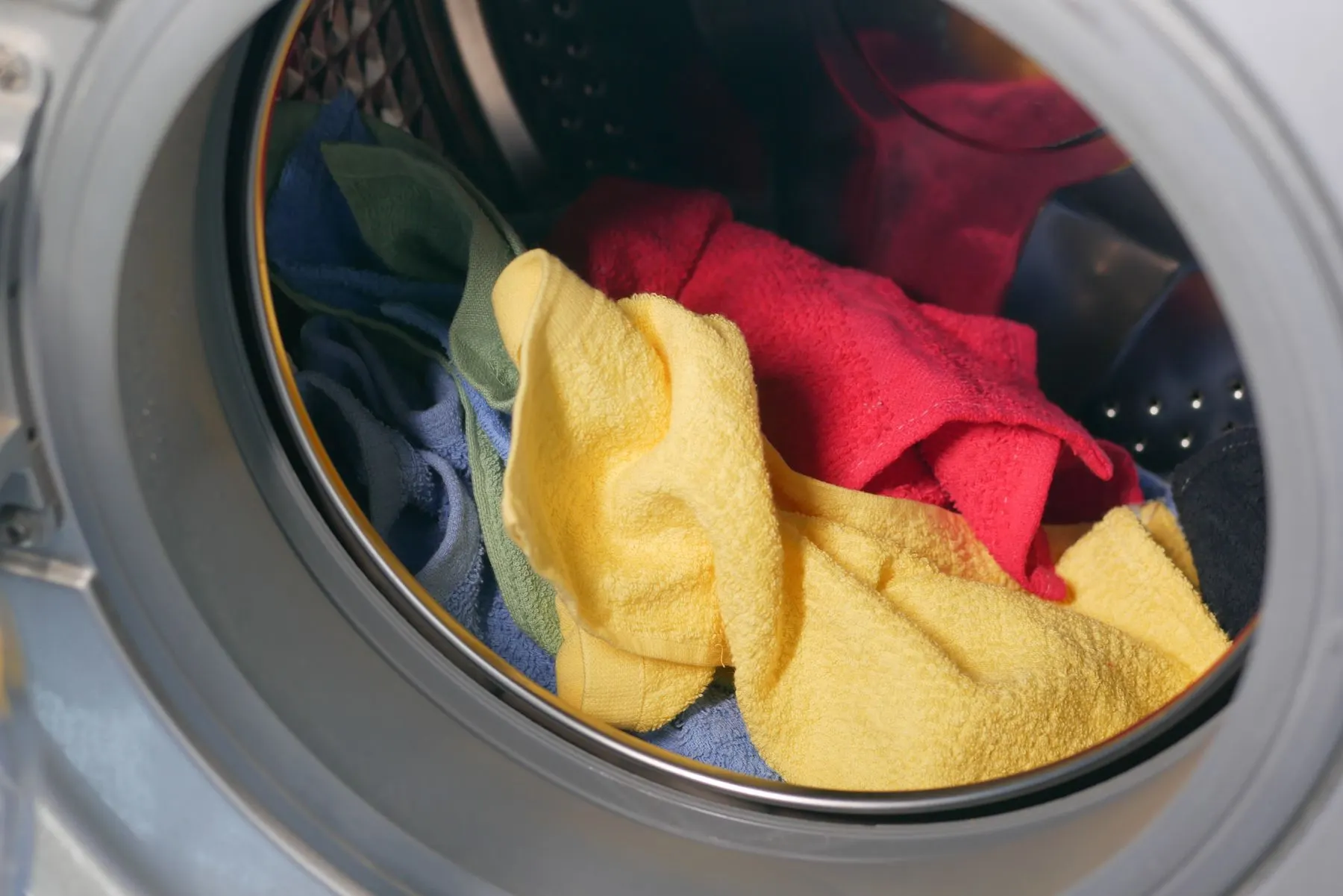
If the dryer heats but clothes stay damp, the most common cause is a clogged or crushed vent: the hot, wet air can't get out, so the clothes sit in it. AZ Dryer Pros cleans the vent and measures the airflow for $79 in Arizona, which shows whether the vent is the problem. Anything beyond that is priced before work, and if you say no, you only pay the $79. If the airflow is good and the dryer still doesn't heat, the problem is inside the dryer and needs an appliance technician.
Hot but not drying, or not heating at all?
These are two different problems. A dryer that gets hot but takes two or three cycles is usually a vent problem: the heat is there, but the moist air has nowhere to go. A dryer that tumbles but stays cold is more often a problem inside the dryer, like a heating element, a thermal fuse or, on gas dryers, an igniter. A clogged vent can cause that too, because running hot for too long can blow a thermal fuse. So the vent is worth checking either way.
Quick checks before you call
- Clean the lint screen; wash it if it looks coated
- Pull the dryer out and look for a crushed or kinked hose
- Go outside with the dryer running: the flap should open and you should feel strong airflow
- Try a smaller load
- Look for a clogged-vent or airflow warning on the dryer's display
The clogged-vent warning on newer dryers
Several brands of newer dryers watch their own airflow or temperature and show a check-vent, clogged-vent or airflow message when it drops. It usually means what it says: the air isn't getting out the way it should. The warning doesn't tell you where the blockage is. The hose, the run in the wall or the outside hood can all cause it, and that's what an airflow test finds.
Why Arizona vents clog
Monsoon dust storms from mid-June through September push dust into the outside hood, where it mixes with lint and packs the flap shut. Birds nest in sheltered hoods in spring. Many two-story homes vent through the roof on long vertical runs. And in a 110°F summer, a dryer struggling against a blocked vent makes an already hot laundry room hotter.
What happens at the visit
We read the airflow, check the hose, clean the run and the outside hood, and read the airflow again. If it comes back strong and the dryer still doesn't dry, the vent wasn't the problem, and you know to call an appliance technician. We don't repair dryers. If we find damage, you see photos and the price first: a hose from $149, a cap from $149, a duct repair from $299.
How a visit works
- Book a window. 8–11, 11–2 or 2–5, Sunday to Friday.
- Airflow test. Measured at the outside hood before we touch anything.
- Clean. Hose, run and hood cleared for $79. Anything more priced first.
- Re-test and answer. Airflow measured again, so you know if it was the vent or the dryer.
Sources: U.S. Fire Administration, clothes dryer fire safety; International Residential Code M1502.4.5.1 (2015/2018).